

Lake Pointe Dental Care
Don’t Fear the Dentist!
The 2 most common fears known to man are death and public speaking. Believe it or not, visiting the dentist isn’t far behind. But it isn’t the pain that the patients lose sleep over – it’s the lack of control.
Patients must remember that dentists undergo a minimum of 8 years of schooling before being certified. In other words, a dentist isn’t allowed to operate on one’s mouth without being a true expert of the craft. However, even when patients know and understand a dentist’s expertise, they continue to feel uneasy about making the visit.
Just as with anything in life, there are solutions to the problem.
The dentist and patient must work together. A patient afraid of the dentist must outline his needs and concerns before the dentist does his/her job. Therefore, the patient must not be afraid to tell the dentist when to soften up, even when dental tools are in their mouth. They shouldn’t be embarrassed to make weird noises if the dentist pokes a gum with too much pressure.
Now, for the dentists.
The most important thing a dentist can do is give control and power to the patient. Beforehand, the dentist will explain what the patient may feel during and after the procedure. This way the fear of the unknown is thrown out the window. After every 5-10 minutes, the dentist will ask the patient if he/she may proceed. The dentist may also set up a special cue for the patient if the procedure at all becomes uncomfortable. (Many dentists tell the patient to raise his/her left hand when they feel discomfort).
A dentist who only operates on one’s mouth is a one trick pony. Half of the battle as a dentist is making their patient feel comfortable. People skills are just as important as dental skills. Most fears stem from the fear of the unknown. People are afraid of death because they are unsure of the specifics of afterlife. People are afraid of public speaking because they are speaking in front of a group of people they haven’t developed a strong relationship with. Less people will fear the dentist if they know that they are in control.
If you need to overcome the fear of visiting the dentist, don’t be afraid to tell Dr. Farmer. He will work with you to make you feel as comfortable as possible.
The Evolution of Dental Care: From Finger to Floss
Did you know that the toothbrush is one of the oldest tools that humans still use? In fact, in a survey conducted in 2003, Americans chose the toothbrush as the number one invention over the car, personal computer, cell phone, and microwave. This may come as a shock in a day and age obsessed with technology, but it just goes to show how much value we place on our pearly whites. But it makes you wonder… how have people kept their teeth clean throughout the centuries? How did the toothbrush, toothpaste, and floss come into existence and how have they evolved over time?
One would assume that the first toothbrush was surely the finger, but evidence has shown that as far back at 3500 BC to 3000 BC chewing sticks were used in Babylonia. These chewing sticks were essentially a stick from an astringent tree with a frayed end that acted as bristles to clean teeth. These chewing sticks have also been found in ancient Egyptian tombs. Their predecessors are still commonly used in certain areas of the Middle East, Africa, Asia, and South America and are known as miswak or mswaki sticks.
When excavating Ur in Mesopotamia, ornately decorated toothpicks were found that dated back to 3000 BC. Other archaeological digs have recovered various tree twigs, bird feathers, animal bones, and porcupine quills as the earliest toothbrushes and toothpicks. An ancient Sanskrit text on surgery dating back to the 6th century describes severe periodontal disease and stresses oral hygiene; “the stick for brushing the teeth should be either an astringent or pungent bitter. One of its ends should be chewed in the form of a brush. It should be used twice a day, taking care that the gums not be injured.” Pretty sound advice, even by current standards! Ancient Greek and Roman literature referenced the use of toothpicks to keep their mouths clean, and ancient Roman aristocrats kept special slaves for the sole purpose of cleaning their teeth. Imagine that job!
Ancient Chinese writings from around 1600 BC portray chewing sticks that were derived from aromatic trees and sharpened at one end to act as a toothpick. In the thirteenth century, the Chinese began to attach boar bristles to bamboo, essentially fashioning the first toothbrush. The optimal choice for bristles was taken from the back of the necks of cold climate boars, generally found in Siberia. Traders introduced these toothbrushes to the West and they quickly gained popularity. At that time Europeans were brushing their teeth by dipping a linen cloth or sponge in sulfur oils and salt solutions to rub away tooth grime. This was referred to as “The Greek Way”, as Aristotle had recommended this method to Alexander the Great. As these toothbrushes spread from East to West, in the West they preferred softer horse hairs over the coarse boar bristles, yet horses were deemed too valuable for the sake of toothbrushes, making boar bristles popular well into the early 1900’s.
Fast-forward to 1780 and we meet a man named William Addis of Clerkenwald, England. Addis was sitting in Newgate Prison for allegedly inciting a riot. The method for brushing teeth in jail was to take a rag and dip it in a solution of soot and salt and rub it onto the teeth. Addis believed there had to be a more efficient way, so while he passed his time in jail he began to think up solutions. Spying a broom, inspiration struck him and he took a small animal bone leftover from his meal and drilled holes into it. He then tied some swine fibers into bunches, strung them through the holes, and glued them into place. At this time in Georgian England, refined sugar was being shipped in from the West Indies in mass quantities. This caused a huge increase in the consumption of sugar for Londoners who then suffered from rotting teeth, the only treatment for which was to pull the infected teeth. When Addis was released from jail, he went on to market and sell his toothbrush under the name Wisdom Toothbrushes, which went on to become a very successful business that is still around today.
Toothbrushes continued to be made with animal bone handles and more often than not, boar bristles, although fancy toothbrushes were made with badger hair for those who could afford them. Celluloid handles were introduced in the 1900’s and quickly replaced bone handles. In the 1920’s a new method of attaching bristles to the handle was developed: holes were drilled into the brush head, bunches of bristles were then forced through the holes, and secured with a staple. This method is the same method that is commonly used today.
The next evolution in toothbrushes occurred when Wallace H. Carothers of Du Pont Laboratories invented nylon in 1937. Nylon bristles quickly overtook animal hair bristles for sanitation and cost-effective purposes. Although boar hair bristles often fall out, do not dry well, and are prone to bacterial growth, they strangely still account for 10% of the toothbrushes sold worldwide. The new nylon bristled toothbrushes were sold as “Doctor West’s Miracle-Tuft Toothbrush” due to its more hygienic properties.
With World War II looming in the background, British and American housewives were instructed to waste nothing, which translated to no more bone handles for toothbrushes. Bone handles had long been popular for things like toothbrushes, knives, guns, and handles for many more items. The shift to celluloid was a natural progression as soup bones were needed more than ornate bone handles. World War II gave oral hygiene an unexpected boost. The soldiers in World War II were expected to brush twice daily, a habit they brought home with them, likely due to the fact that Trench Mouth had become so rampant during World War I.
And what about toothpaste? Well, ancient Egyptians were making a “tooth powder” as far back as 5000 B.C.E. It was made from ox hooves, myrrh, eggshell fragments, and pumice. No device was found with the remnants of the tooth powder, which is why it is assumed that the finger was the first actual toothbrush. Other early tooth powders contained mixtures of powdered salt, pepper, mint leaves, and iris flowers. In Roman times, urine was used as a base for toothpaste. And since urine contains ammonia it was likely an effective whitening agent. In later times, homemade tooth powder was made of chalk, pulverized brick and salt. It is said that Napoleon Bonaparte regularly brushed his teeth with an opium-based toothpaste. In 1873, Colgate mass-produced the first toothpaste in a jar called Crème Dentifrice. By 1896, Colgate Dental Cream was packaged in collapsible tubes. Finally, by 1900, a paste of hydrogen peroxide and baking soda was developed, and by 1914 fluoride was introduced and added to the majority of toothpastes on the market at that time.
And what of floss? Researchers have found floss and toothpick grooves in the teeth of prehistoric humans. But it wasn’t until 1815 when a New Orleans dentist named Levi Spear Parmly promoted flossing with a piece of silk thread that floss really gained notoriety. Levi went on to be credited for inventing the first form of dental floss. By 1882 the Codman and Shurtleft Company of Randolph, Massachusetts began mass-producing unwaxed silk floss for commercial use. In 1898 Johnson & Johnson received the first patent for dental floss. Dr. Charles C. Bass then developed nylon floss, which performed better than silk because of its elasticity. Today floss is still made of nylon.
Who would’ve thought that the history of dental care would be so fascinating? And who would’ve guessed that the toothbrush we use today evolved from a stick and was perfected by a convict? Today, there are over 3,000 patents worldwide for toothbrushes. Regardless of how they got here, toothbrushes, toothpaste, and floss are a necessity in our daily lives.
Serving Patients with Special Needs
Here at our office, we are committed to making dental care available for all patients who need it, regardless of special healthcare needs. Patients with special needs include the elderly, those with limited mobility, mentally disabled individuals, immunocomprimised people and those with mental illness. Specific diseases that can frequently hinder proper dental care include autism, Alzheimer’s, Parkinson’s, Cerebral Palsy, Multiple Sclerosis and Down syndrome.
Often times, these individuals have higher rates or poor hygiene, which leads to greater incidence of gingivitis, periodontitis and dental caries. While treating a patient with special needs, we strive to ensure:
– A friendly and comfortable environment
– Sensitivity and compassion from team members
– Predictable experiences at each appointment
Our team posses the compassion and understanding that is imperative when caring for a special needs patient. Some cases involving severe disabilities may require specialized equipment and general anesthesia. We realize that each individual with special needs is a unique case and will require different systems and skills to properly treat. We are confidant we can provide competent care for the majority of patients who are labeled as special needs.
For patients who are specifically incapable of ideal hygiene, it is essential that the people in daily contact with them become involved in their oral healthcare requirements. If you are a caregiver for a patient with special needs, the best course of action to determine if we can offer treatment is to call our office with any questions and possibly reserve an appointment to tour our facilities. If more complex oral care is required, we will refer you to the appropriate specialist who also works with the special needs population.
Gingivitis 101
We’ve all heard of Gingivitis, most likely on flashy television commercials proclaiming prevention and cures, or by receiving a warning from your dentist, but do you really know what Gingivitis is and how to prevent and treat it?
Gingivitis is a form of periodontal (gum) disease. It causes inflammation and infection in the tissues of your teeth and gums, as well as in the periodontal ligaments (which attach your teeth to bone) and the tooth sockets, which means bad news for your gums and teeth.
It’s the long-term effects of plague deposits on your teeth that cause Gingivitis, which is why it’s so important to brush and floss daily. Plague, a mixture of bacteria, mucus, and food debris, cultivates on the surface of your teeth, causing tooth decay. If plague is not removed it turns into tartar (also called calculus) that gets trapped at the base of your teeth, causing swollen, tender, and infected gums. Left untreated, Gingivitis causes your gums to recede, spoiling that pretty smile of yours.
Brushing and flossing daily helps remove plague before it turns into tartar, which, if left to its own devices, is more difficult to remove and can create a shield locking in bacteria. At this point, only your dentist can remove it, which is why it’s so important to maintain bi-yearly dental cleanings.
If left untreated, Gingivitis can turn into Periodontitis, (the progressive loss of the soft tissue and bone that support your teeth) which can lead to loosening teeth and subsequent tooth loss. By simply brushing and flossing daily, and seeing your dentist every six months, you can save yourself thousands of dollars in possible dental implant and denture costs, not to mention ensure the quality of your pearly whites.
Certain factors that increase your risk for Gingivitis:
Dental Factors
- Bad oral health habits
- Misaligned teeth
- Ill-fitted dental restorations
Health Factors
- Poor nutrition
- Genetics
- Diabetes
- Substance abuse
- Certain viral and fungal infections
- Older age – more common after age 35
- Certain medications such as antidepressants, heart medications, and others (talk to your Periodontist about whether or not your medications put you at risk)
- Smoking – we all know smoking is bad for your health, but did you know that over time it breaks down your gums and your jawbone?
- Decreased immunity from illnesses such as HIV/AIDS, leukemia, and other conditions
- Gender – women are more susceptible than men due to hormonal changes caused by monthly menstrual cycle, oral contraceptives, and pregnancy
Risks of Gingivitis
- Diabetes (both type 1 and 2)
- Heart disease
- Women with periodontitis have an increased risk of birthing premature babies, or babies with low birth weight versus women with healthy gums.
- Increased risk of heart attack, stroke and lung disease
Symptoms
- Painful, tender, and swollen gums
- Bleeding gums, especially when flossing and/or brushing
- Bright red to purple-pink gums (as opposed to healthy pink)
- Shiny gums
- Mouth sores
- Receding gums
- Puffy, soft gums
- Bad breath
If you are experiencing any of these symptoms, make an appointment with your dentist as soon as possible, and follow up with regular cleanings. The moral of the story is: all you need to prevent Gingivitis is good dental hygiene – brushing at least twice a day and flossing at least once a day. Warm salt water and antibacterial rinses can also be used to help reduce gum swelling.
Bruxism is a Real Grind
Bruxism is the technical name for grinding, gnashing, and/or clenching your teeth. It is considered a para-functional activity, which means an abnormal or deviated dental function or habit that is subconscious. The term Bruxism comes from the Greek word “brygmós” which means “to grind or gnash the opposing rows of upper and lower molar teeth”.
On average, your upper and lower teeth come into direct contact for about 20 minutes a day, with only 20-40 pounds of pressure. People who suffer with Bruxism’s upper and lower teeth come into direct contact for as long as 40 minutes per hour, with a force of about 250 pounds!
The grinding, gnashing and/or clenching mainly occur unconsciously; in most cases while you’re asleep. In more severe cases, some people find themselves clenching during the day as well. If you catch yourself clenching be sure to stop and stretch your jaw – move your lower jaw back and forth in a circular motion, changing rotation. Hearing popping or clicking noises is fairly common in people with Bruxism, so be sure to inform us if this occurs as it can indicate Temporomandibular Joint Disorder (TMJ) as well as Bruxism.
Bruxism can cause your teeth to become worn down, fractured, and/or chipped. It can also wear down your tooth enamel, leading to increased tooth sensitivity and susceptibility to cavities. Not only does it deteriorate your teeth, it can also cause headaches, earaches, chronic facial pain, and jaw tension.
You should make an appointment with us if you’re experiencing a combination of any of the following issues:
Symptoms of Bruxism
- Grinding sound at night
- Dull headache in the morning
- Facial Pain
- Tight or painful jaw muscles, especially in the morning
- Worn down, flattened, fractured, or chipped teeth
- Tired jaw muscles
- Anxiety, stress and tension
- Depression
- Earache
- Eating disorders
- Headaches
- Hot, cold, and/or sweet tooth sensitivity
- Insomnia
- Painful, sore jaw
Possible Causes of Bruxism
Because the origin of Bruxism is not completely understood, any number of the following items may be possible causes:
- Experienced and anticipated stressors are considered a main factor. People who are stressed often carry tension with them to bed, causing them to grind, gnash and clench at night
- Suppressed anger, frustration, and aggression
- Misaligned upper and lower teeth (malocclusion). The verdict is still out as to why malocclusion is such a common component with Bruxism, but doctors have found that it is prevalent amongst sufferers
- People with depressive and anxiety disorders are more likely to suffer from Bruxism
- Bruxism is an uncommon side effect of certain psychiatric medications, such as antidepressants
- Often Bruxism is partnered with other sleeping disorders, such as insomnia, sleep walking, and nightmares
- Bruxism can be a result of complications from a disorder such as Huntington’s disease or Parkinson’s disease
- Stimulating substances such as smoking tobacco, drinking caffeinated beverages and/or alcohol, taking illegal drugs such as methamphetamines and ecstasy also increases the risk of Bruxism
- Age – Bruxism is common in children, but typically goes away by adolescence (See below for Bruxism in Children)
Other things such as diet, your ability to relax, low pH levels (high acidity), posture, and sleeping habits may also be contributors.
It is best to speak with Dr. Farmer to determine the possible causes of Bruxism for you, and the best way to treat it.
Children with Bruxism
According to experts, two to three out of every ten children will grind or clench their teeth. While most children will outgrow this, it is important to cover both the physical and potentially psychological factors that can cause Bruxism.
Bruxism in children is often a response to the pain caused by teething or an earache. As with adults, it is also linked to the abnormal alignment of the top and bottom teeth.
With children, Bruxism can be an early warning sign of both experienced and anticipated stress. It has become more common for children with Bruxism to regularly see their doctor, as well as to receive psychological treatment, such as counseling, to help alleviate stressors.
Medical conditions such as cerebral palsy and Parkinson’s disease can also cause a child to clench and/or grind. Hyperactive children (ADHD) commonly experience Bruxism as well.
Working with Dr. Farmer to establish care for your child with Bruxism will help create better habits and give you practical solutions so that your child can live clench/grind free. Please feel free to call our office to make an appointment if you think you or your child might be experiencing Bruxism.
Bacteria’s Great Odyssey
If a tooth’s pulp, the innermost layer, becomes infected it is in grave danger. Without proper prevention or early treatment, the tooth can die and fall out. So how does a tooth reach this ruinous point? In this blog post, we will examine bacteria’s journey to infection of the pulp.
Bacteria Packs its Bags, Forms Plaque
As we all know, certain bacteria found in the mouth can cause serious problems. These harmful residents are gluttons for the lingering sugar in your mouth and produce an acid byproduct that strips enamel and weakens teeth.
Bacteria Makes Friends With Common Goals: Tooth Decay
Bacteria then groups together to form plaque (a clear, sticky film) and tartar (hardened plaque) which will adhere to teeth in the absence of proper hygiene habits. Beyond their sticking power, these substances allow bacteria to dwell in one area so all the damage they do is very concentrated. Accordingly, tooth decay in these areas can occur rapidly, causing a cavity.
Post-Cavity Voyage
When a cavity develops, the best treatment is to visit us to place a dental filling as soon as possible. If the cavity is left unattended to, decay continues. These bacteria burrow even deeper into the tooth until they access the tooth’s pulp. At this point the bacteria cause an infection with the power to kill the tooth. This infection can even spread into the jaw, mouth and rest of the body.
Bacteria Meets Its Final Destiny in Our Office
Thankfully, this infection spread can be halted with preventative hygiene habits and treatment of any dental cavities. If you suspect you have bacteria embarking on the journey described above, schedule an appointment as soon as possible. As with all ailments, early diagnosis is your best course of action.
All Bacteria Are Not Created Equal
The mouth harbors a diverse and plentiful and microbial community due to its hospitable environment. It is warm, nutrient-rich and maintains an ideal pH balance. This highly diverse microflora inhabits the various surfaces of the normal mouth- gums, teeth, tongue, cheeks. What many people don’t realize is that most of the bacteria are beneficial organisms and live in harmony with each other and the human body.
The “Bad Guys” of Dental Bacteria
Interestingly, a new born baby’s mouth does not contain bacteria, but becomes colonized rapidly in the early stages of life. Nobody knows for sure how many different bacteria species there are. Estimates in the oral cavity alone vary between 500 to 650 different species. Only a few specific species are believed to cause dental caries, including Steptococcus mutans, considered the most important bacteria involved with tooth decay. However, the type of bacteria varies according to the progress of tooth destruction.
This harmful bacteria collect around the teeth and gums forming a sticky, creamy-colored mass called plaque. Some areas of the mouth collect plaque more commonly due to less salivary flow, such as grooves in molars and between teeth. The oral cavity actually contains the only known part of the human body that does not have a regulated system of shedding surfaces: the teeth. This allows plaque to adhere to the surface of teeth for long periods of time. At first, plaque is soft enough to come off easily with a toothbrush. However, it starts to harden within 48 hours. After about 10 days, the plaque becomes dental calculus, called tarter, and is now difficult to remove.
Villians Love Carbohydrates
Sugars from candy, soft drinks, and fruit juice can play a significant role in tooth decay. When sucrose (table sugar), the most common of sugars, coats the surface of the mouth, some intraoral bacteria interact with it. The result is lactic acid, which decreases the pH in the mouth. This demineralization allows for greater bacterial invasion deep into the tooth.
Cariogenicity, or the extent to which tooth decay is likely, depends heavily on how long the sugar remains in the mouth. Surprisingly, it is not the amount of sugar ingested but the frequency of sugar ingestion that is the most important factor in tooth decay.
Bacteria’s Kyrpotite
Oral hygiene is key to battling the bacteria “bad guys”. Brushing your teeth twice a day will reduce dental plaque and food particles collecting around your teeth. Additionally, it is imperative to floss daily to wipe all your enamel surfaces free of plaque to discourage bacterial growth. Good general oral-health habits can usually prevent enough bacterial growth to keep tooth decay from starting.
More Choices than Ever in Dental Fillings
Most everyone knows the procedure for filling a cavity: After the suspicion of tooth decay has been confirmed by an exam and X-rays, you recline in the chair while we numb the tooth being treated, and then remove the decay with a dental drill or another 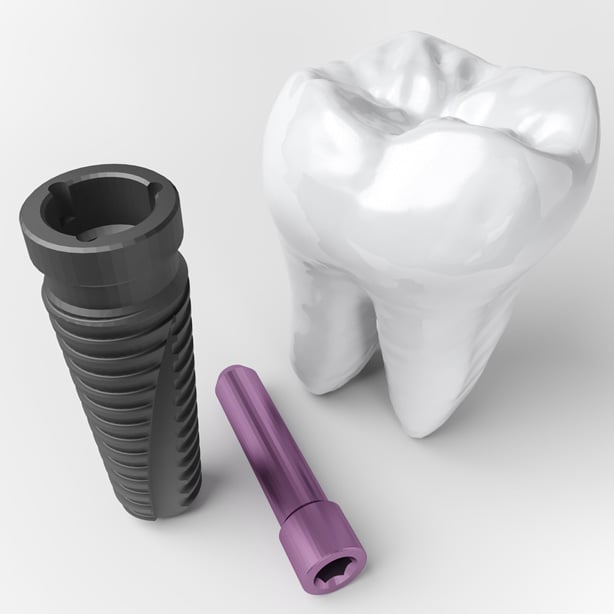 handheld instrument. After that, it’s time for the actual filling. But unlike the old days, when tooth fillings were a one-size-fits-all proposition, there are now several types of filling materials available.
The classic “silver” filling, which we call “dental amalgam,” is actually an alloy of silver, tin, copper and mercury. It’s strong, inexpensive, and has proven safe and reliable through decades of use. However, it requires more tooth preparation than other types, and it’s quite noticeable. Fillings made of gold alloy have the same general attributes as amalgam — except they’re more expensive.
Tooth-colored fillings are becoming increasingly popular, mainly because they blend right in with your teeth. They may be made of porcelain, composite resins, or other high-tech materials. They typically require less removal of healthy tooth structure to achieve a successful bond, but generally are more expensive.
Each filling material has advantages and disadvantages in particular circumstances. But don’t worry — we’re happy to recommend which ones would be best in your individual situation.
Achieve Your Best Smile With Cosmetic Dentistry
If you’ve ever thought about how great it would be to have a really bright, healthy-looking smile… then maybe now’s the time to find out what modern cosmetic dentistry has to offer! You might be  surprised at how much can be done to change your smile’s appearance — and how good it can make you feel about yourself.
Today there are more ways than ever to get the smile you want. For example, if you’d simply like your teeth to be brighter, you might choose take-home or in-office professional whitening — or you may opt for porcelain veneers. If you have chipped teeth, you may be able to fix them via dental bonding, or you might want to consider a crown or another type of restoration.
To make more extensive improvements, like replacing missing teeth or correcting tooth spacing, dental implants or orthodontic treatment might be necessary. It’s even possible to change the shape of teeth, or to make your smile less “gummy.” So don’t hesitate — talk to us about the goals you have in mind, and we can help you achieve the smile you’ve been wishing for.
Exactly What Are Dental Implants?
Maybe you’ve heard people talk about dental implants. It’s been said that they’re modern dentistry’s best option for replacing missing teeth; That they offer the highest success rate of any tooth replacement procedure; That, with proper care, they can last just as long as your own natural teeth — a lifetime. But, you may still be wondering: What exactly are dental implants? We’re glad you asked!
Picture a tooth — the kind you might see on an old-fashioned dentist’s sign. It has two main parts: The crown (the pearly-white part that shows up when you smile), and the root, the part below the gum line that anchors the tooth in the jaw. A dental implant permanently replaces the root part of the tooth with a special metal insert that’s placed in the jawbone with minor surgery. A crown restoration — that is, a prosthetic tooth that’s created to look and function just like your natural teeth — is then placed atop the implant. Together, they make an implant a complete tooth replacement system.
What’s so great about this system? Essentially, it’s the fact that the titanium metal of which the implant is made has a very special property: It can integrate (fuse) with the living bone of your jaw, a process called osseo-integration. That’s what allows an implant that has been properly placed to remain looking good and functioning well for a long, long time. And isn’t that what everyone wants from their teeth?