

Lake Pointe Dental Care
Diabetes and Oral Health – A Two-Way Street
If you, a friend or a family member have diabetes, you may have heard that this common disease increases a person’s risk of gum disease and other oral health problems. But did you know that this relationship is a mutually distressing one? Not only does diabetes make gum disease worse, but gum disease can actually make diabetes worse too by interfering with blood-glucose management strategies.
 Here, we shine some light on the relationship between diabetes and oral health, and what you can do about it.
Diabetes makes it difficult for the body to fight infection. Whether the infection is located in the mouth, the leg or any other part of the body, poor circulation suppresses the immune system, making it harder for the body’s natural infection fighting responders to do their job. This means that if you have diabetes, you are more prone to gum disease, and other oral health problems too such as thrush and dry mouth.
On the flip-side, gum disease can also make diabetes worse. Whenever the body is fighting illness or an infection (such as a cold or the flu or even gum disease), blood sugar spikes are harder to control with regular methods and thus extra monitoring and control-measures are required.
Are you wondering what you can do to minimize this damage? First and foremost, keep your blood sugar under control using the methods that your physician has prescribed. Next, practice good oral health maintenance with regular brushing and flossing. And finally, don’t skip regular trips to the dentist and other oral health professionals. If you have diabetes, you cannot afford to ignore this important part of your body.
Teeth Nerve Stem Cells Signal New Age of Recovery
Have you ever thought about the possibility of growing new teeth? Of course, when we are younger, this phenomenon does occur, with adult teeth replacing our missing baby teeth. Many scientists and doctors, however, believed it was impossible, or highly unlikely for adults to ever form new teeth.
 Yet only recently, researchers in Sweden have discovered that such a feat may one day become commonplace. While most scientists did know that the pulp in teeth contains a certain amount of stem cells, the Swedish researchers of the Karolinska Institute have discovered the origin of these cells.
These stem cells are typically used to help reform damaged teeth by assisting with the restoration of tooth tissue. Upon further examination, however, the researchers have discovered that these stem cells originally were nerve cells of the tooth. These cells leave the nerves at early stages of development, changing their identity to become part of the connective tissue, which forms dentin underneath the enamel.
The future possibilities for this discovery are almost endless. Using these nerve tissues, it may be possible for scientists to manipulate the stem cells to form new adult teeth. As these teeth will essentially be copies of one’s original teeth, this innovative process may replace veneers and other restorative processes as the best form of teeth restoration.
In fact, the benefits of this discovery may not stop with just teeth. Igor Adameyko, from Sweden’s Department of Physiology and Pharmacology, believes that all types of peripheral nerves, not just the ones found in teeth, “may function as important stem cell reserves.” Adameyko hypothesized that these “multipotent stem cells can depart from the nerves and contribute to the healing and reformation of tissues in different parts of the body.”
To summarize this exciting research, tooth nerve cells may be the key to a new wave of human recovery and restoration, and adult tooth creation is only one of these recently discovered benefits!
Dental Implants: What Should I Believe?
Dental Implants have become commonplace, with over 3 million people worldwide hosting some sort of implant. Unfortunately, their rising popularity has been accompanied by an increasing number of misconceptions about what they can and can’t do.
Let us help you to understand which of these common messages are true and which are fabricated.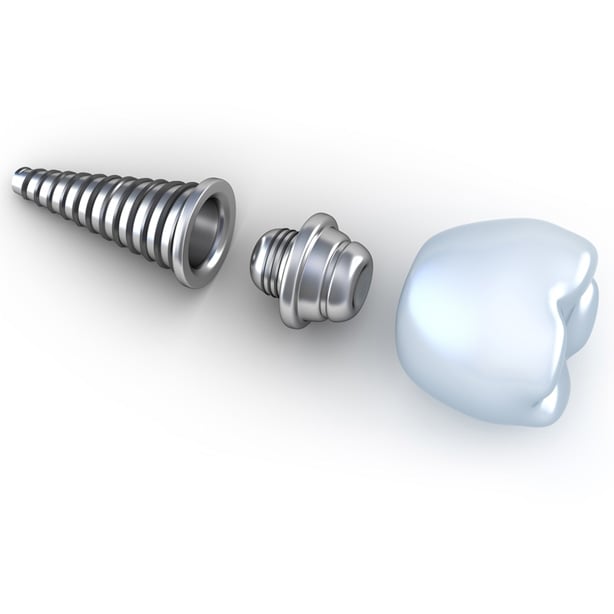
Message #1: Dental implants are more expensive than traditional restorative methods.
Verdict: True and False. While the initial implant installation is more costly than other dental restorative procedures, over time, maintaining dental implants is much easier and cheaper. Other procedures require eventual replacement. For example, dentures require replacement after 5-10 years while dental bridges must be replaced every 7-10 years. So in the long run, dental implants can be less expensive than these alternative procedures.
Message #2: Dental implants are exceedingly painful.
Verdict: False. Like most forms of oral surgery, dental implant installation does involve some discomfort. However, patient accounts reveal that the pain is not worse than any typical tooth extraction as doctors use local anesthesia to address and minimize any discomfort during the procedure.
Message #3: Dental implant placement often fails.
Verdict: False. While dental implants do have the possibility of falling out, it is very rare for this to happen. In fact, reports show that 98% of dental implant surgeries are successful.
Message #4: Only young people should get dental implants.
Verdict: False. There is no reason healthy, elderly patients cannot receive implants. In fact, there are many cases of patients 90 and older undergoing dental implant placement surgery with great success!
Don’t let these common misconceptions get in the way of your decision to get dental implants. Give us a call…we’d be happy to discuss your concerns about dental implants with you to give you a better idea of what this procedure can do for you.
Dental Checkups: How Important Are They?
We know that for most people, going to the dentist’s office is not high on their list of favorite things to do. A visit to the dentist takes up valuable time in our busy, modern schedules!
 So we are not surprised that we hear this question time and time again from our patients: “Is going to the dentist twice a year really worth it?” And the answer is always the same: “Absolutely!”
Why? We’ll give you two good reasons right here:
Reason #1: Save yourself from pain!
The fact of the matter is that dental problems do not simply heal themselves on their own. In our practice, we are trained to detect problems and fix them before they get out of hand, saving you pain (and money) down the road. Using the dentist’s office only as an emergency room when you have an agonizing toothache will only cause you more pain in the long run.
Reason #2: Save yourself money!
Regular checkups and cleanings are also relatively inexpensive when compared to the cost of fixing much bigger dental problems (for example, a tooth that requires a root canal or extraction). Let us treat your oral health problems before they become unnecessarily complicated and costly.
Twice a year for better oral health!
Most oral health professionals recommend that you have your gums and teeth cleaned and checked once every six months. If they appear healthy, then this interval may be extended.
Don’t wait until you have tooth pain that is out of control! If we see you regularly for check ups, we can avoid many of these bigger problems together! Call us to schedule your next checkup.
Dental Implants: Five Things You May Not Know
How much do you know about dental implants? With the increasing popularity and availability of dental implant surgery worldwide, patients are gaining more and more knowledge about dental implants every day.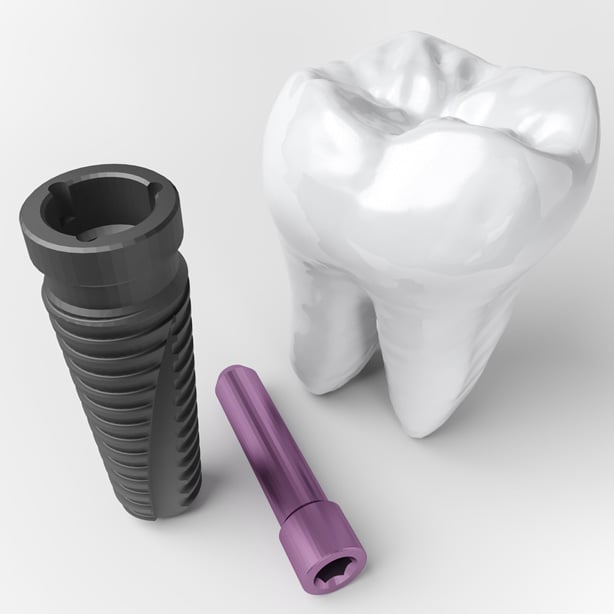 But did you know these five important facts?
- Dental implants are appropriate for almost all ages. Not just for the elderly, dental implants are frequently placed even in the mouths of young adults. As long as the jaw has stopped growing (after puberty; age 16 for girls and age 18 for boys), a dental implant can be placed with great success.
- The titanium post actually fuses (osseointegrates) with the natural jawbone. They grow together to form a stronger foundation for replacement teeth. So dental implants actually improve the bone structure in the jaw, they don’t just fill it in.
- The “dental implant” is actually just the titanium post, one of three parts of the whole process. Other parts used in the full procedure that we think of as “dental implant surgery” are known as the abutment (the connector) and the actual replacement tooth itself (the crown).
- Dental implants preserve jawbone, whereas other teeth replacement options can lead to bone deterioration. Bone is similar to muscle in that it must be used in order to maintain its mass. When a tooth goes missing and the site is left untreated, the jawbone underneath tends to deteriorate. Dental implants eliminate this problem by securing a natural-like tooth right into the jawbone and thus utilizing (and preserving) that area of bone.
- Dental implants protect their neighbors. By contrast, a traditional, tooth-supported bridge involves the grinding away of the teeth on either side to act as a hammock for the bridge. With dental implants, the jaw is the anchor and support for the artificial tooth.
The bottom line? Dental implants offer a safe and manageable alternative to traditional tooth replacement methods.
Chomp! Fun Facts about Teeth
As children, we are obsessed with our teeth. Counting them, watching them fall out and grow back in. Waiting for the tooth fairy’s surprise. And as adults, we are still obsessed with them, but maybe in a different way (as in “why do they always hurt and why aren’t they white anymore?”) So just for fun, and to further indulge in this fascination with teeth (See? It’s not just dentists that are obsessed with them), here are some fun facts about teeth.
 This is a great article to share with your children! How many of these facts did you already know?
Sharks don’t get cavities. Why? Because their teeth are coated in fluoride. That combined with the fact that they have rows and rows of replacement teeth, ready to go at a moment’s notice, give them an unfair advantage over humans when it comes to oral health.
You are lucky! You have three types of teeth: (1) Incisors to bite pieces off, (2) Canines to hold and tear, and (3) molars to grind food. This allows you to eat a wide variety of foods. Some animals, like crocodiles, aren’t so lucky, they only have sharp teeth to grab and kill, which greatly reduces their restaurant choices.
Enamel is the hardest material in the human body. It is considered the last line of defense for your tooth. Normal wearing down of enamel does occur over time and is simply a part of aging. But bacteria can cause this breakdown to accelerate, which is why we brush and floss regularly!
Taste buds only live for about 10 days, or 2 weeks if they are lucky. They go through a life cycle just like every other cell renewal processes in the body.
Sharkskin is covered in teeth. Don’t believe me? Both sharks and their cousins, rays, are covered in what are called dermal denticles. Although they look like scales they are actually just modified teeth, with an enamel coating and all! These protect them and also help them swim faster, but enough about sharks.
The jaw muscle, called the “masseter”, is the strongest muscle in the body if we are talking about strength based by weight. When all of these muscles work together, the jaw exerts 55 pounds of weight on the incisors and 200 pounds on the molars. This is why we take jaw disorders like teeth grinding, TMJ and bruxism very seriously – that’s a lot of force! Call us today if you suspect you might be a teeth grinder.
Did you know any of these fun facts about teeth already or did we surprise you?
What Good Oral Health Means when you are Pregnant
If you are pregnant, you probably already know how important it is to take care of your body during this exciting time. A good, nutritious diet, regular moderate exercise and adequate sleep help protect both your health and the health of your baby. But what you may not already know is how important your oral health is during pregnancy also.
 Recent research has suggested that women with periodontal disease may have a higher risk of unwanted childbirth complications, such as pre-term labor and low birth weight of the baby. However, luckily, the opposite is also true! A thorough exam by your oral health professional may decrease the chance that you will have these pregnancy and labor problems.
Now we may have you wondering, “What exactly is periodontal disease?” Simply put, it is “gum disease”, a chronic inflammatory condition in the gums that is caused by the presence of bacteria.
So what can you do about it? To ensure the best health outcome for you and your baby, in addition to receiving regular medical care from your obstetrician, be sure to see your dentist or periodontist on schedule during your pregnancy as well. And, as always, practice good dental hygiene at home with routine brushing and flossing.
These simple steps that we all should be doing anyway might just save you and your baby from potentially serious complications when the birthday comes!
Healthy Foods After Oral Surgery
On our website and social media channels, we have thoroughly explained why and how oral surgery is beneficial. Here’s a reason that has gone unmentioned: it will make you appreciate the solid foods and acidic drinks that you aren’t able to eat or drink immediately after your procedure. Sandwiches, chips, and orange juice should all be avoided after your wisdom tooth removal, dental implant surgery, orthagnathic surgery etc. Too much chewing can possibly re-open the sensitive areas of your mouth, and can cause bleeding or even infection. But don’t worry – we have a few healthy food and beverage recommendations when your mouth is delicate.
First 24 Hours
 For the first 24 hours after your surgery, your teeth/jaw will need some time off. Therefore, smoothies, low-fat jello/puddings, and cold soups will be the most beneficial for your healing process. It is extremely important to refrain from using a straw, as the sucking causes excess strain, which ultimately can delay the healing process. Here are a few recommendations:
Banana Mango Shake- A healthy, filling way to start the day after your surgery. Also, bananas help replace electrolytes and maintain fluid balance within your body.
Applesauce- You can’t eat apples, but this is the next best thing!
Tomato Soup- A great snack even when your mouth isn’t sensitive.
Cold Pasta- Ever tried a Sun-Dried Tomato Basil Orzo? Might be the perfect time to expand your taste buds!
Next Few Weeks
Over the next few weeks, you will start easing into enjoying solid foods again. Here are some tasty transitional foods (some can even help the healing process!)
Broccoli Omelet: Who would’ve thought that healing from oral surgery could be so healthy? Broccoli contains enough calcium to speed up the healing process, and the eggs provide enough protein to make this a fully substantial meal while taking it easy on your teeth/jaw.
Chicken Salad: Finally some real meat! Chicken that is chopped up into small pieces can be eaten with a salad, or even a cold pasta. The chicken provides the protein, while the salad (with soft vegetables) provides the healthy goodness.
Chicken Pesto Pasta: Believe it or not, this dish can prevent oral infection. The basil in pesto contains volatile oils, which can protect the mouth from oral bacteria. The last thing your mouth needs after oral surgery is oral bacteria.
We hope that these recommendations help! We genuinely want you to heal as quickly as possibly while maintaining a healthy lifestyle. Feel free to call us with any questions about the post oral surgery process.
Dental Implants: Changing the Way We Treat Missing Teeth
Dental implants are rapidly becoming the standard of care in how we, as dental professionals, deal with missing teeth. And while the incidents of adults losing permanent teeth has been declining for decades, there is still a good chance that at some point in your life you too will require treatment for a lost permanent tooth.
 The way this was treated in the past was by one of two methods. The first method was to install a bridge. The second commonly used method was dentures. But both of those methods present their own challenges and hassles to patients. Thankfully, dental implants have improved so much over the years that more often than not they are a better choice for a patient’s oral care plan.
Here are our top five reasons that dental implants have a leg up on their old competitors.
- Almost Natural: Dental implants are so sturdy that they feel and function just like a natural tooth. This is achieved by inserting a screw into the jaw which is allowed to bond with the bone in that area.
- Longevity: Dentures are a long term solution and have the ability to last a lifetime when properly placed and taken care of. By contrast, traditional bridges last only about 5-7 years.
- Fully Functional: Unlike dentures, which have a tendency to slip or feel uncomfortable and might even cause worry about possible embarrassments in public, dental implants don’t move when you are eating, talking or moving around.
- Face Shape Protection: When a permanent tooth is lost, over time the face and smile can sag. Dental implants fill in those spaces and allow you to keep your natural face shape longer!
- Keeps your Jaw in Shape! Dental implants actually stimulate natural bone growth when set in the jaw. Without them, the jaw gets lazy and can deteriorate.
If you have a site in your mouth where you are missing a tooth and have been wondering what to do about it, give us a call today for a consultation to see just how great dental implants can be!
Calming Your Nerves Before Dental Procedures
Almost everyone has some feelings of nervousness when thinking about visiting the dentist. We hear it all the time from our patients. But don’t worry (I know, easier said than done). It is totally normal to have a bit of anxiety (or even a lot of anxiety) before you come to our office.
 In our office, we have many years of experience in dealing with nervous patients. So to help you out, we’ve compiled this quick yet effective set of tips for dealing with those inevitable nerves before your dental procedure.
- Let us know! Sometimes just saying the words, “I’m a little bit nervous” can help by normalizing the nervousness itself a little bit, which instantly releases some of that stress that has the tendency to build up in your system. It also alerts us, which is great! In fact, we might just be able to help by doing procedures a little bit differently than we normally would or even just by offering some words of encouragement and reassurance.
- Music – Ask us to turn up (or down) the music in your exam room if that helps. Or, depending on the procedure, you may even be able to listen to your own MP3 player while we work away. Ask us ahead of time to be sure the procedure will allow for this.
- Breathe – Did you know that consciously taking a breath instantly calls to action your parasympathetic nervous system which is the part of the brain responsible for calming you down? The good news is that you always have your breath with you, so don’t forget to use it! Just by paying attention to your breath, for example, how it feels coming in and going out and the other sensations it creates, you can access the calming center of your brain. An easy breathing exercise that can be used anytime, anywhere, including in the dental chair is to breathe in for 4 counts, then out for 4 counts. You will instantly feel better.
We hope you find these tips helpful in dealing with your dental fears. Just remember, you are not alone.