

Lake Pointe Dental Care
Laser Periodontal Therapy
Periodontal (gum) disease is no joke – it goes deeper than gum tissue, potentially causing tooth loss and jawbone deterioration. That’s why we want to make sure you get the care you need to regain natural, healthy gum tissue. We take full advantage of laser technology to give you the best results with the least discomfort. Keep reading to learn more about our revolutionary treatment methods!
The goal
The goal of periodontal therapy is to stop gum disease at the root by tackling the source of infection. We target harmful bacteria that forms plaque and eventually calcifies to form tartar, or calculus, preventing it from irritating the gums. Our first priority is restoring your oral health, halting the progression of gum disease, but it is also our goal to reverse prior damage by reattaching infected gum tissue to the teeth.

Conventional treatment
Traditional periodontal therapy – known as “scaling and root planing” or “root debridement” – removes the bacteria that cause gum disease manually. This non-surgical procedure involves the use of hand-held ultrasonic instruments to eliminate plaque buildup that forms inflamed pockets between the teeth and gums.
Laser therapy
Laser periodontal therapy can be used independently or to supplement conventional periodontal treatment. We use the Laser Assisted New Attachment Procedure (LANAP) method, which targets only infected gum tissue, for high quality results. Because it doesn’t require a scalpel or sutures, LANAP is less painful and less invasive than root debridement.
After removing the infected pockets, we expertly agitate healthy gum tissue to promote natural re-growth. Our treatment pairs with the body’s ability to regenerate gum tissue – the gums naturally reattach to the teeth and bone, making it harder for gum disease to come back once it’s been treated!
Benefits of laser therapy
- Minimized post-operative pain, swelling and discomfort
- Minimal bleeding
- No incisions
- No need for stitches
- Shorter healing time
- Cost efficient
- Long-lasting results
Ask Lake Pointe Dental Care about your options for treating gum disease! We’re here to restore your oral health for the long run.
The Importance of Baby Teeth
Baby teeth aren’t that important. They’re just going to fall out anyway…right? Wrong. Taking care of baby teeth actually contributes to the health of your permanent teeth, setting the course for a lifetime of dental health. Good life-long oral hygiene habits start early, so keep reading for some facts about baby teeth and tips for keeping them clean!
Why do baby teeth matter?
Even though primary (baby) teeth will eventually fall out to make way for permanent (adult) teeth, it is equally important to take care of them. Baby teeth serve as placeholders for permanent teeth, maintaining the structure of your child’s mouth and jaw to guide teeth to grow in properly. If baby teeth fall out or are extracted prematurely due to trauma or tooth decay, surrounding teeth can become crooked and cause adult teeth to become impacted. Preventing cavities is also just as important for baby teeth, because tooth decay can cause more serious problems such as the formation of painful, inflamed cysts between the teeth and gums (abscessed teeth).

How to take care of baby teeth
- Brush your child’s teeth with fluoride toothpaste. Fluoride increases teeth’s resistance to acid breakdown, making it less likely for cavities to form.
- Don’t give your child bottled milk to fall asleep with. Any drink besides water contains sugars that will wreak havoc on their teeth while they sleep.
- Start brushing early – even before teeth come in! Simply run a damp cloth or a clean finger over the gums after feeding to eliminate the risk of food or drink residue reacting with harmful bacteria in the mouth.
- Help your child with brushing and flossing until the age of six when they have developed enough dexterity to use proper techniques.
- Use a soft-bristled toothbrush. Children’s enamel and gums are not fully developed and require gentler care to keep from damaging them. You can also soak the toothbrush in warm water to soften the bristles even more.
Your child’s oral health journey starts before teeth even start to grow in. Make sure to take good care of those baby teeth to ensure a lifetime of good health. Give Lake Pointe Dental Care a call if you’re looking for more tips!
No Teeth? No Problem!
Are missing teeth causing you difficulty, discomfort or embarrassment? Don’t worry – we have all the facts about tooth replacement treatments and the effectiveness of dental implants as a long-term solution for missing teeth.
What are dental implants?
Dental implants are replacement teeth made of titanium. They are composed of an artificial crown attached to a screw that is surgically implanted into the jaw for stability. Implants are an effective treatment for missing teeth because they maintain the strength of the jaw.
There are a few alternative treatment options, some more lasting than others:
 Flippers are temporary, removable plastic teeth. They are attached to a retainer for easy removal. Flippers are one of the most cost efficient tooth replacement methods; however, they are the least durable alternatives to dental implants and are considered short-term solutions until a more lasting treatment can be performed.
Fixed bridges literally “bridge” gaps caused by one or more missing teeth. A dental bridge consists of a false tooth, called a pontic, and two abutment teeth, which are crowns that anchor the bridge to the teeth on either side of the gap. Abutment teeth can be secured to both natural teeth and dental implants; however, anchoring them to natural teeth can cause damage.
Dentures are a common treatment for individuals missing all their teeth in one or both of their jaws. They are made of a removable frame that holds an entire set of teeth.
Removable partial dentures are removable frames that hold a partial set of teeth rather than a full set of teeth. This option is often considered for individuals who are missing some but not all of their teeth in one or both jaws.
Why choose dental implants?
Implants are the longest lasting treatment for missing teeth. With proper care, dental implants can last up to ten years or longer. Because they are surgically anchored into the jawbone, they function like natural teeth.
If you’re looking to explore dental options, call Lake Pointe Dental Care today!
There’s More to Cavities!
We’re all familiar with cavities – the anxiety before going to the dentist, the satisfaction of leaving without having to return for fillings. As routine as cavity treatment seems, tooth decay, or dental caries, is more complex than we often realize. Keep reading to get the inside scoop on tooth decay and how you can prevent it!
What is tooth decay?
Dental caries, also known as tooth decay, is the bacterial destruction of the tooth’s enamel.
What causes tooth decay?
Even with an effective dental care routine, bacteria in the mouth cause plaque to form on the teeth. When the bacteria in plaque react with food in your mouth, it produces acid that wears away at the enamel.

Stages and treatments:
There is a range of treatment methods for dental caries depending on the severity of the decay:
• Fillings and restorations are the most common cavity treatments. We use inlays and onlays to treat tooth decay because they’re similar to traditional fillings but are more stable and longer lasting.
• Crowns are necessary if the decay goes deep enough to make the tooth weak or unstable. These tooth-colored caps are secured to the tops of damaged teeth to strengthen them and restore them to normal function.
• Root canal therapy (RCT) is needed when the cavity goes deep enough to infect the pulp in the tooth. Sometimes the damage is severe enough that root canal therapy is not effective, and if retreatment is unsuccessful an apicoectomy is performed. During an apicoectomy, the infected pulp tissue is removed through the tooth’s root. Then the root tip is cut off and replaced with biocompatible material.
• If the tooth is beyond saving through one of these previously mentioned methods, extraction is the way to go. Dental implants offer a sturdy, long-lasting solution to extracted teeth to restore your smile.
Give Lake Pointe Dental Care a call so you can achieve that bright, beautiful, healthy smile!
Rubber Tipping: A Guide to Gum Health
Brushing and flossing are important aspects of our daily dental routine, but they’re only two parts of the oral health equation. Good oral hygiene goes beyond a simple teeth cleaning. While gum health is often overlooked, a quick trip to the drugstore is all it takes to find the right tools for keeping gums healthy! If you want to avoid the risk of gum disease, it’s time to introduce rubber tipping to your routine.
What is rubber tipping?
Rubber tipping is a technique that strengthens the gums with the use of a handheld dental instrument called a rubber tip gum stimulator. You simply apply pressure to the gums to help prevent gingivitis, a mild form of gum disease, and periodontitis, a more serious form of gum disease.

How do you use a gum stimulator?
- Brush and floss your teeth first to remove as much food debris as possible.
- Run the rubber tip of the gum stimulator under hot water to soften it for gentler use.
- Gently massage the gum line with the rubber tip. You can also run the stimulator between your teeth to remove any remaining food debris.
Why should I use a gum stimulator?
Gum stimulators are time-efficient, multipurpose instruments that improve overall oral health. They primarily stimulate the gum tissue to strengthen it against infection, but they also help with cavity prevention by assisting food and plaque removal.
How does rubber tipping affect jawbone health?
Jawbone loss is a serious concern that is linked to poor gum tissue health. Tooth loss is a primary symptom of gum disease, and it has a devastating impact on the jaw. With missing teeth, the jawbone no longer has something to support, and it begins to deteriorate from underuse. Jawbone loss drastically worsens jaw function and facial structure overtime.
Because gum stimulators are crucial in preventing gum disease, they also eliminate the need for procedures such as bone grafting, which promotes bone regeneration after the jaw has atrophied.
If you have any concerns about your gum health, consider adding rubber tipping to your dental care repertoire!
Periodontal Disease and Pulpitis: The Link
Gum disease and pulpal infections are both unpleasant on their own, but did you know that they are linked? Many people don’t realize that one condition often leads to another, and that makes oral care even more important! We have all sorts of information about the connection between gum disease and pulpitis, so read on!
What is periodontal disease?
Periodontal (gum) disease is the infection of the gum tissue, and is a more severe version of gingivitis. Plaque buildup hardens and forms tartar, or calculus, a substance that irritates the gums and can only be removed with the assistance of dental instruments. As gum disease progresses, tooth loss and jawbone deterioration is common.
What is pulpitis?
Pulpitis is the infection of the tooth’s pulp, which is made up of blood vessels, nerves and connective tissue. Pulpal infection is typically caused by cavities that penetrate the enamel. It can also be caused by trauma that cuts off blood flow to the pulp tissue.

How are periodontal disease and pulpitis related?
The apical foramen is the opening at the apex, or tip, of the tooth root. Nerves and blood vessels pass through this hole and connect the pulp inside the tooth to the gum tissue. Because the pulp and the gum are so closely linked, periodontal disease can progress into pulpitis and vice versa.
What are my treatment options?
Scaling and root planing, also known as root debridement therapy, is a traditional gum disease treatment. Root debridement uses ultrasonic dental instruments to remove the tartar that causes gum disease. Unlike standard dental cleanings, which only remove surface plaque, root debridement therapy targets the tartar below the gum line in the pockets that form between the teeth and gums.
Laser periodontal therapy is a more advanced gum disease treatment. It’s a minimally invasive procedure that targets only the diseased gum and promotes natural healing, agitating the gum tissue so it reattaches itself to the jawbone. It provides faster results with less downtime, bleeding, swelling, and discomfort.
Endodontic Treatment
Root canal therapy (RCT) is the best treatment for pulpitis. It removes the diseased pulp from the root canals, and then uses a crown to stabilize the tooth. Extraction is an option for diseased teeth that root canal therapy can’t save.
One thing leads to another: a single dental issue could compromise your overall oral health. That’s why we offer state-of-the-art treatment options to keep all aspects of your oral hygiene on track. Give Lake Pointe Dental Care a call to find out more about our treatment methods!
Mouthwash the Multitasker
If you thought that the only benefit of mouthwash was minty smelling breath, you may be pleasantly surprised to know that there are far more benefits that come along with the use of mouthwash. When mouthwash is used as part of your oral hygiene routine you are able to reap the benefits all day long!

Periodontal Disease
It might be obvious but, mouthwash reduces your risk of periodontal disease by cutting down on the quality and quantity of dental plaque.
Cavities
Mouthwash can also lessen your risk of developing cavities if it has fluoride as an active ingredient. When fluoride is present in your mouthwash, be sure to use it as the final step in your oral care routine. Fluoride needs time to absorb without getting washed away by a drink or water with brushing. Let approximately 30 minutes pass before enjoying food or beverage.
Pregnancy
Perhaps the most surprising benefit of mouthwash is that it can aid in preventing pregnant women from going into early labor! Pregnant women who have periodontal disease run the risk of going into early labor because bacteria at the gum line is able to get into her bloodstream. This increases the body’s inflammatory markers which in turn can stimulate contractions.
Providing Comfort
Mouthwash can soothe canker sores by detoxing the area. The reduced amount of bacteria at the site results in a soothed feeling.
If you haven’t already adopted mouthwash into your oral hygiene routine, we suggest you do! Not only will your mouth feel and smell fresher, the added benefits are worth the small amount of effort. Ask us what kind we recommend for you at your next visit.
Dental Implants: FAQ
Dental implants are becoming more and more popular these days, and we can see why. The ability to replace a missing tooth with a brand new one is an attractive concept.
We know that people often have questions about implants, so we have put together this page to answer those common questions:
What is a dental implant?
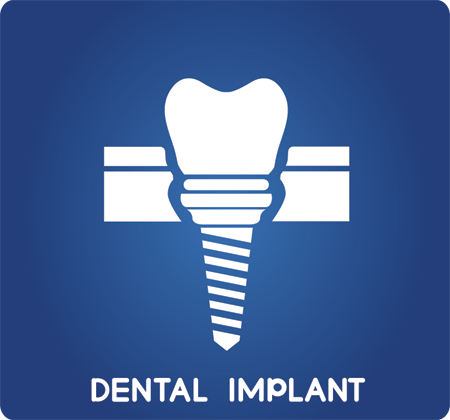
Implants are artificial teeth that function exactly like your natural teeth. We take a titanium screw, attach it to your jaw, allow the jaw to grow around the screw, and then fit the new tooth in right where the old one used to be. It will feel exactly like your old tooth used to when you had it.
How quick is the procedure?
It depends on just how strong and healthy your jaw is. Your jaw may very well be ready to receive the new tooth quickly, but it may also take time to grow around the screw. If your jaw is weak, we can also transplant bone from other parts of your body first, via another procedure called “bone grafting”, to grow a fresh, strong base where the screw can be inserted. If that is the case, the whole process takes more time, but again, it depends on your case.
Does it hurt?
No. Medications and anesthesia are available to reduce or eliminate pain. You shouldn’t feel a thing.
Since it’s an artificial tooth, do I need to care for it as if it were alive?
You should clean and maintain your implant exactly like you do with your living teeth. Though the implant isn’t going to die, it can still allow bacteria to build up, like your other teeth do. Clean all of your teeth with care, and they should all stay healthy.
How long do they last?
If your implant is taken good care of, it should last a long, long time. Perhaps 40 years and sometimes even a lifetime!
What should I eat after the procedure?
Eat soft food. We will help you decide on a diet that works for you depending on the specifics of your case and treatment.
Have more questions? Call us! We would be glad to set up an evaluation.
The Pros of Invisalign
According to the American Association of Orthodontics, over four million Americans are undergoing some form of orthodontic treatment at any given time, and anywhere from 40-70% of the population of this great nation have enjoyed the presence of braces. That means that almost every third person you see out and about — enjoying a salad in a café, gulping down a coffee on the bus, eating a bag of carrot sticks while on the commuter grind – was once (in theory) completely restrained from doing so! They did survive, and they bless us with their smiles on the daily.

But sometimes, for whatever reason, grown-up teeth misbehave. Whether it’s a result of childhood neglect, less-than-stellar eating habits, or just nature’s unpredictable pattern, some of us are left with the distasteful task of finding any slightly bearable treatment, especially since the alternative seems to be a catapult back to middle school and an era of wire-frame glasses and colored rubber bands.
Never fear, Invisalign is here! That isn’t the official slogan (and for good reason) but it would be apt. Since 1997, when a Silicon Valley start-up created the clear plastic aligners as an alternative to traditional braces, some would say that Invisalign changed the brace game forever. With FDA approval that came three years after launch and ten years of perfecting the process, Invisalign’s 2000 TV marketing campaign was deemed “the most aggressive consumer advertising plan the dental profession has ever seen.” With all eyes on the teeth, Invisalign has rocketed into the mainstream dental industry, and it seems like it’s here to stay.
Since Y2K, almost 75% percent of all orthodontists in the United States have been trained to implement Invisalign’s computer-generated systems. The clear plastic trays seem less intimidating from the outset, and present an attractive option for people with metropolitan routines and busy schedules. Treatment plans averaging 22 hours a day for 9-12 months make it a pretty serious commitment, but like any good thing, the time invested isn’t wasted. If you’re hoping to improve esthetic and refine functionality, consider Invisalign: it may be your best bet.
Dental Implants: What to Expect
If you have been considering dental implant surgery, you might be concerned about what to expect. Questions such as: “Will I need to take time off of work?”, “Will I need bone grafting?” and “How quickly will I heal?” are not uncommon. We get that you’ve got questions, and we’ve got answers.
Placing a dental implant is a process that is different for each patient. The healing process and the steps required all depend on what’s going on in your mouth. The only way to know exactly what to expect is to consult with us at our office, but we’d be happy to give you an overview here:

Can I go back to work right away?
You may have read that it can take months to completely heal from a dental implant procedure. This is true, but a little misleading. Many patients are able to return to work the next day, but the mouth takes time to truly be ‘good as new’. It all depends on your specific procedure. We recommend that you plan to rest for a day. Keep in mind that your body will heal faster if you avoid exhausting yourself. If you take good care of yourself, you should be back to work very quickly.
How can I care for myself while I heal?
After the surgery, you will need to go easy on your mouth. Just like after any oral surgery, we recommend eating only soft foods for at least two weeks. You may be given antibiotics and instructions to rinse with salt water. Keeping your mouth clean is important to prevent infection. Avoid smoking.
About Bone Grafting
It may be the case that your bone is not strong enough to support the implant. In this case, bone grafting may be necessary. During this routine procedure, we take bone from a stronger part of your jaw or another part of your body, implant it into the jaw and are thus able to encourage your body to begin growing strong, new bone in its place. If you only need a small amount of bone, it may be possible to do the procedure during the same appointment as your implant surgery. However, it may be the case that you need to wait for bone growth to occur prior to us placing the implant. Every case is different.
Let us properly inform you on what you personally can expect! Schedule an appointment today!